
Search Engine Marketing (SEM) is a digital marketing strategy used to increase a website’s visibility on search engines like Google and Bing through paid advertising. Businesses use SEM to reach potential customers when they search for products, services, or information related to their business. It is one of the fastest ways to generate targeted traffic, leads, and sales online.
Unlike Search Engine Optimization (SEO), which focuses on improving organic rankings over time, SEM relies on paid advertisements that appear at the top of search engine results pages (SERPs). These ads help businesses gain immediate visibility and attract users who are actively looking for specific solutions.
How Search Engine Marketing Works
SEM operates primarily on a Pay-Per-Click (PPC) model, where advertisers pay only when someone clicks on their ad. Platforms such as Google Ads allow businesses to bid on keywords related to their products or services.
For example, if someone searches for “best digital marketing agency in Mumbai,” Google may display paid advertisements above the organic results. Businesses that have targeted this keyword can appear prominently, increasing their chances of attracting customers.
The SEM process generally involves:
- Keyword research.
- Creating ad campaigns.
- Writing compelling ad copy.
- Setting budgets and bids.
- Displaying ads to relevant audiences.
- Monitoring and optimizing campaign performance.
Key Components of Search Engine Marketing
1. Keyword Research
Keywords are the foundation of SEM campaigns. Businesses identify the search terms that their target audience uses and create ads around those keywords. Effective keyword research helps ensure ads reach users with strong purchase intent.
Examples include:
- Digital marketing services
- SEO agency near me
- Best smartphones under ₹20,000
- Online marketing courses

2. Pay-Per-Click Advertising (PPC)
PPC is the most common form of SEM. Advertisers only pay when a user clicks on their advertisement. Google Ads and Microsoft Ads are popular PPC platforms.
Benefits of PPC include:
- Immediate visibility.
- Measurable results.
- Highly targeted traffic.
- Flexible budgeting
3. Ad Copy Creation
Successful SEM campaigns require engaging and persuasive advertisements. Effective ads usually contain:
- Attention-grabbing headlines.
- Relevant keywords.
- Clear descriptions.
- Strong calls-to-action (CTAs).
For example:

Headline: Best SEO Services in Mumbai
Description: Increase your website traffic and generate more leads. Get a free consultation today.
4. Landing Pages
When users click an ad, they are directed to a landing page. A well-designed landing page should:
- Match the user’s search intent.
- Load quickly.
- Provide valuable information.
- Include a clear call-to-action.
- Encourage conversions.

5. Bidding and Budget Management
SEM platforms use an auction system. Advertisers compete for keyword placements by setting bids and daily budgets. Higher bids do not always guarantee better positions because factors like ad relevance and quality score also influence rankings.

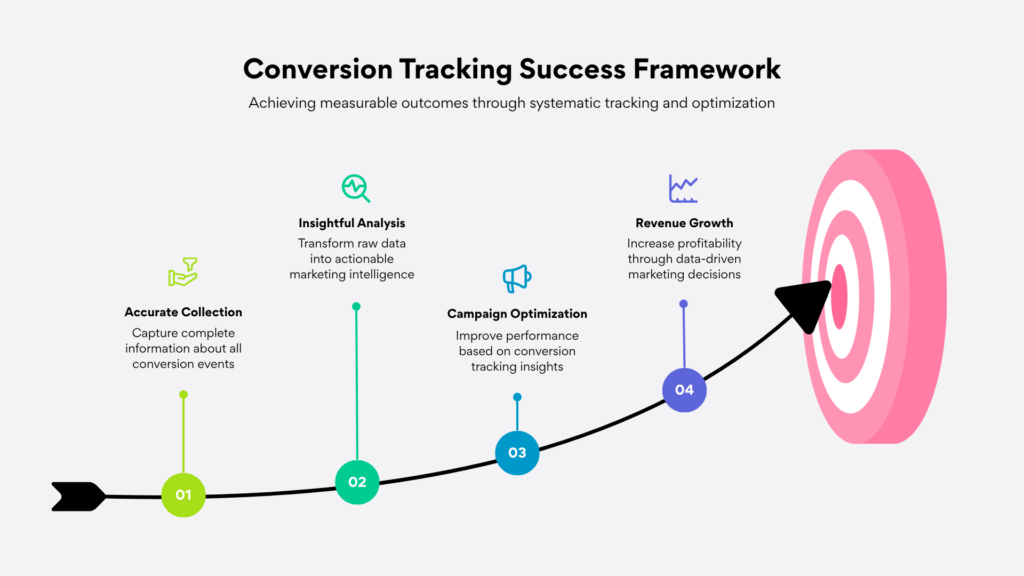
6. Performance Tracking and Optimization
One of the biggest advantages of SEM is the ability to measure campaign performance accurately. Marketers analyze metrics such as:
- Click-through rate (CTR)
- Cost per click (CPC)
- Conversion rate
- Cost per acquisition (CPA)
- Return on ad spend (ROAS)
Continuous optimization helps improve results and maximize return on investment.
Benefits of Search Engine Marketing
Immediate Results
Unlike SEO, which can take several months to produce results, SEM delivers traffic almost immediately after launching campaigns.
Highly Targeted Audience
SEM allows businesses to target users based on:
- Keywords
- Location
- Device
- Language
- Age and demographics
- Interests and behavior
This targeting increases the likelihood of generating qualified leads.
Increased Brand Visibility
Even if users do not click the ad, seeing the brand repeatedly on search results can improve brand awareness and credibility.
Measurable Performance
SEM provides detailed analytics, allowing businesses to understand what works and make data-driven decisions.
Flexible Budgeting
Businesses can start with small budgets and gradually scale campaigns based on performance.
Search Engine Marketing vs Search Engine Optimization
Although SEM and SEO both aim to increase search visibility, they differ significantly.
| Feature | SEM | SEO |
|---|---|---|
| Traffic Source | Paid | Organic |
| Results Speed | Immediate | Long-term |
| Cost | Pay for clicks | No direct click cost |
| Sustainability | Depends on ad spend | Long-lasting |
| Position | Sponsored listings | Organic rankings |
Many successful businesses combine SEM and SEO to achieve both short-term and long-term growth.
Popular Search Engine Marketing Platforms
Several advertising platforms support SEM, including:
- Google Ads
- Microsoft Ads (Bing Ads)
- YouTube Ads
- Google Shopping Ads
- Google Display Network
Among these, Google Ads is the most widely used platform because Google processes billions of searches every day.
Why SEM is Important for Businesses
Search Engine Marketing helps businesses connect with customers precisely when they are searching for products or services. This intent-driven approach makes SEM one of the most effective forms of digital advertising.
Whether a company wants to generate leads, increase website traffic, boost sales, or improve brand awareness, SEM provides measurable and scalable solutions. Small businesses, startups, and large enterprises alike use SEM to compete in the digital marketplace and reach customers efficiently.
Conclusion
Search Engine Marketing (SEM) is a powerful digital marketing strategy that uses paid search advertising to drive targeted traffic and increase online visibility. Through keyword targeting, PPC campaigns, optimized landing pages, and continuous performance analysis, businesses can quickly attract potential customers and achieve their marketing goals. When combined with SEO and other digital marketing strategies, SEM becomes an essential tool for building sustainable business growth and staying competitive in today’s digital landscape.